GI Specialists of Georgia Screenings & Pathology
GI Specialists of Georgia is a leading gastroenterology practice, treating all disorders of the digestive tract, liver, and pancreas. With nine locations throughout the Atlanta area, we serve hundreds of patients and provide them with compassionate care. We have a team of experienced doctors who can diagnose common GI problems, provide treatments, and perform procedures as needed. Our comprehensive services include anesthesia, screenings, imaging, and general and advanced procedures, all aimed at helping you feel better and live a healthier life. Please feel free to contact us if you have any questions or would like to schedule an appointment.
Fecal incontinence is more common than you might think. Like the patient you just heard from, most suffer in silence- either because they are embarrassed to talk about it, or think they don’t have any options.
Don’t suffer any longer. If you think InterStim could be for you, make an appointment to see Dr. Lal for an evaluation.
Don’t suffer any longer. If you think InterStim could be for you, make an appointment to see Dr. Lal for an evaluation.



Colon Screening
Colonoscopy procedures can help patients achieve optimal health by preventing colon cancer or discovering it while still treatable.
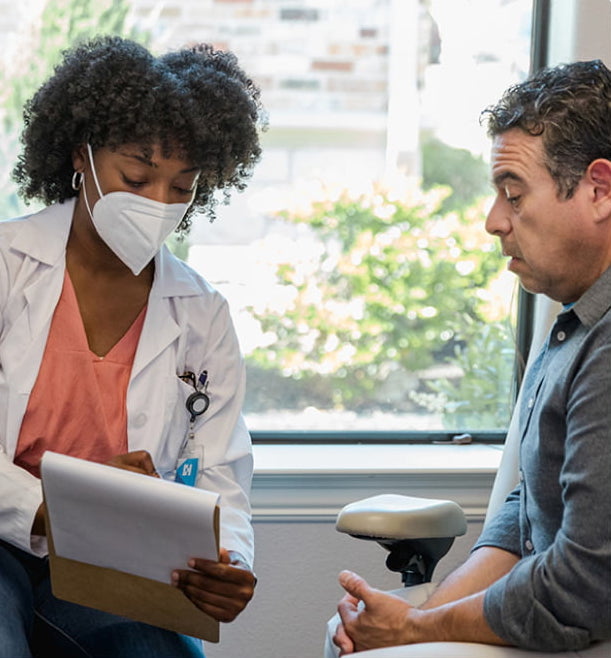
General GI Services
Colonoscopy procedures can help patients achieve optimal health by preventing colon cancer or discovering it while still treatable.
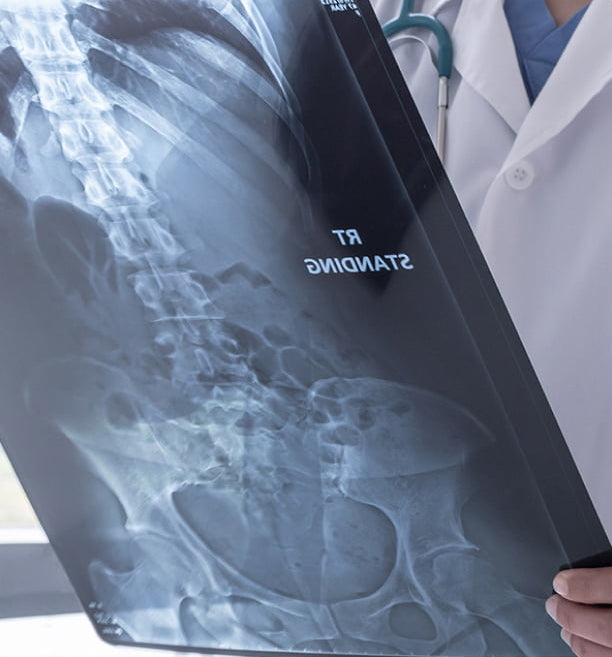
Advanced GI Services
We provide leading-edge therapies for patients dealing with a diverse range of complex gastrointestinal conditions.
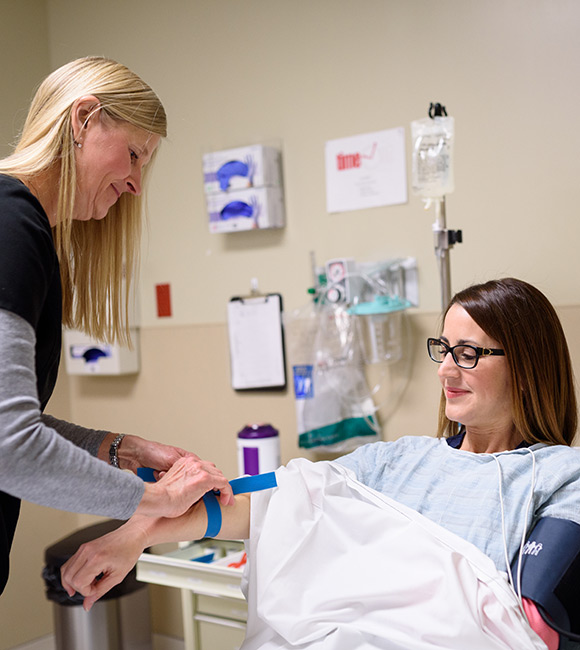
General & Advanced GI Procedures
Treatment for your GI condition may include procedures to diagnose the problem or help to relieve symptoms. Based on your diagnosis, health history, and concerns, our team will develop a customized treatment plan for you. We are able to perform general and advanced GI procedures for patients in the Atlanta area, ensuring you get the care you need. Because many of our procedures require the use of anesthesia, we have a team of Certified Registered Nurse Anesthetists to ensure a safe and comfortable experience for all patients. We can perform all of the following GI-related procedures:
Our Colon Screenings Help Save Lives
Routine colon screenings can help to save lives by catching potential cancer in the early stages. If you’re over age 45 or have a family history of colon cancer, these screenings are vital in checking for polyps that may indicate cancer. The sooner we discover these problems, the better the chances for you to enjoy a normal lifespan. We encourage our patients to undergo routine colonoscopies, as they are simple and easy and could potentially save their life. Please reach out to us to learn more about what to expect during this procedure or to schedule an appointment.
On-Site Imaging Services
In order to properly diagnose and treat many gastrointestinal concerns, our doctors must use various imaging equipment, like ultrasounds or fibroscans. These scans are the perfect way to determine what is going on inside your body, without the need for invasive methods. Many doctor’s offices are not equipped with this technology, forcing you to go to yet another provider. GI Specialists of Georiga eliminates the need for visiting multiple clinics, as we offer on-site imaging services for our patients. Our fibroscan services can be used with patients who have fatty deposits on the liver to determine how much fibrosis or scarring is present and to calculate the amount of fat in your liver.
Pathology Lab Services
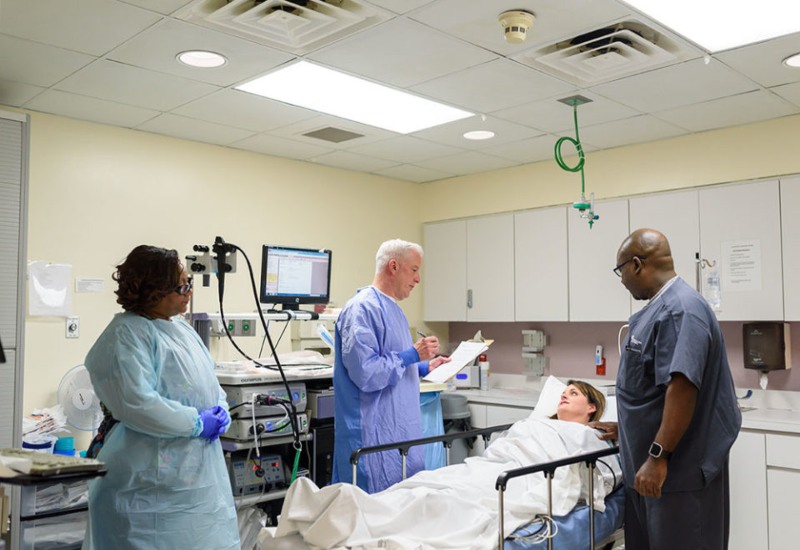
Pathology lab tests are another vital tool used by our doctors to diagnose conditions and track progress after treatments. At GI Specialists of Georgia, we have an on-site pathology lab to complete these tests, ensuring they can be completed quicker. Our on-site pathology department also helps to facilitate communication between your doctor and the lab staff because they are located in the same office. Our lab is licensed by the state of Georgia and has also earned accreditation from the Joint Commission on Accreditation of Healthcare Organizations.
We Can Help You Find Relief from Inflammatory Bowel Disease
There are two conditions that are classified as inflammatory bowel disease (IBD), and both require proper monitoring and treatment by your doctor. These conditions not only produce unpleasant symptoms but can also put your digestive health at risk. We have a team of doctors who can properly diagnose your IBD condition and provide the appropriate treatment to help you manage your condition. You can count on our team of experienced doctors to provide the care you need.
Telehealth Appointments
At GI Specialists of Georgia, we understand that it can be difficult or inconvenient for some patients to visit our office. For this reason, we offer telehealth appointments so that you can manage your healthcare services remotely. Our telehealth portal makes our services more accessible and convenient, giving patients the opportunity to receive care from our specialists without having to travel to our offices. Our virtual appointments are the perfect option for patients who live further away or who may have mobility concerns that make it harder for them to get to appointments.
Contact Us for an Appointment
If you have been instructed by your primary care physician to see a GI specialist, we encourage you to give us a call. We have a team of qualified, experienced doctors who are ready to provide the care and attention you need. Our doctors will listen to your concerns, discuss your symptoms, and provide an accurate diagnosis of your issue. Then, we’ll develop a treatment plan to help you address your condition. Please reach out to us today to schedule an appointment.
Schedule an Appointment with Our Atlanta-Area Gastroenterologists
Whether you’re here for an endoscopic ultrasound or a colonoscopy, we will treat you with the utmost respect and dignity. Our gastroenterologists in the Douglasville and Northwest Atlanta area believe in the importance of educating our patients on a variety of health topics, ranging from anemia to gastrointestinal infections, cirrhosis of the liver, and pancreatitis. To schedule an appointment with one of our board-certified gastroenterologists, please contact GI Specialists of Georgia today.
"*" indicates required fields