
What Is a Helicobacter Pylori Infection?
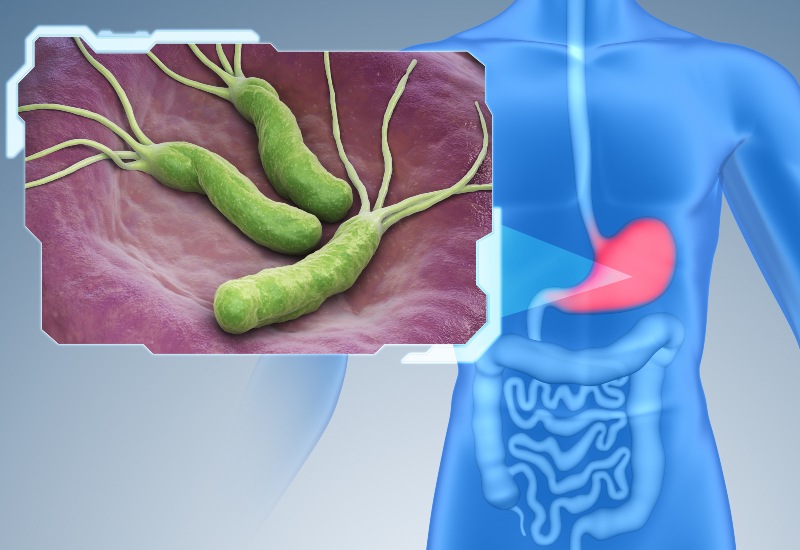
Helicobacter pylori, or H. pylori, is a bacteria that causes an infection in the duodenum or stomach. It typically occurs in children but can also affect adults. While some people don’t have symptoms, the bacteria can cause gastritis and peptic ulcer disease even if you are asymptomatic. In rare cases, it can cause stomach cancer. We have a team of medical specialists and board-certified gastroenterologists at GI Specialists of Georgia who can diagnose and treat helicobacter pylori infections. Call us today to schedule a testing appointment or get more information about helicobacter symptoms.
What Are Helicobacter Pylori Symptoms?
Only approximately 20% of people who get H. pylori exhibit symptoms. However, even without symptoms, you are at risk of complications and chronic health problems, including stomach cancer. Helicobacter pylori causes these symptoms:
- Dull or burning stomach pain.
- Unexplained weight loss.
- Bloating.
- Nausea and vomiting.
- Indigestion.
- Burping.
- Appetite loss.
- Blood in the stool.
How Do You Get Helicobacter Pylori?
The infection most often occurs in crowded areas with poor sanitation and is most common in developing countries. The route by which infection occurs remains unknown. Some theories about how the bacteria spread include spreading through kissing or transfer from the hands of someone with the condition. It is also possible that it can be spread through contaminated water or food.
Helicobacter Pylori Test for Diagnosis
H. pylori is diagnosed by evaluating your symptoms, diagnostic testing, and pathology testing. Helicobacter pylori tests include:
- Breath tests – During this test, you will be asked to exhale into a bag, drink a solution, and then exhale into a bag again. The test measures the level of carbon dioxide released through your breath before and after drinking the solution. If the level is higher after drinking the solution, it indicates that H. pylori is present.
- Stool tests – We may also test your stool sample for evidence of H. pylori bacteria.
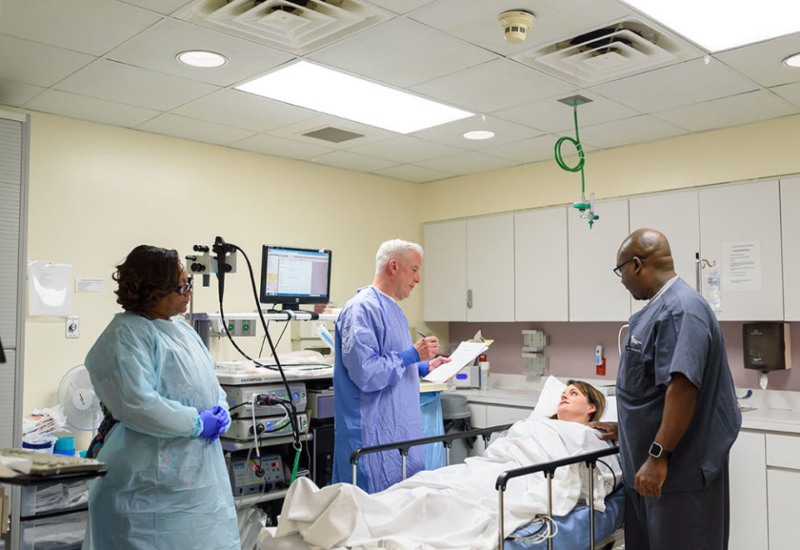
- Upper endoscopy – We insert a flexible tube down your throat and into your stomach during an upper endoscopy. We then take a few small tissue samples from the lining of your stomach or intestine. We test that sample for evidence of H. Pylori bacteria.
Helicobacter Pylori Treatment
Everyone needs to be treated, due to risk of stomach cancer. The treatment we recommend will depend on demographics, allergies, previous antibiotic treatment/exposure.
- Antibiotics – We may prescribe one of several combinations of two antibiotics to treat H. Pylori: amoxicillin, clarithromycin, metronidazole, tetracycline, levofloxacin, rifabutin.
- Proton pump inhibitor – A proton pump inhibitor is a daily pill that reduces the acid level in your stomach. We may prescribe lansoprazole, omeprazole, pantoprazole, rabeprazole, or esomeprazole.
- Bismuth subsalicylate – We may include this over-the-counter medication to protect the stomach lining. It is the same ingredient in Pepto-Bismol®.

Can You Prevent an H. Pylori Infection?
You can reduce your risk of a helicobacter pylori infection by washing your hands thoroughly before eating, touching your mouth or nose, touching your eyes, putting on makeup, or taking out or putting in your contact lenses. You should also wash your hands after using the bathroom. You should only drink clean water and use clean water to wash dishes and prepare food.

Are There Long-Term Side Effects from H. Pylori?
If you develop an H. pylori infection, you are at an increased risk for stomach cancer. You may need to make lifestyle changes to reduce your risk of developing stomach cancer later in life, including eating more fiber, fruits, and vegetables. As H. pylori multiplies in the stomach lining and duodenum, the bacteria release an enzyme that converts your urea to ammonia. This ammonia makes the bacteria immune to your stomach acid. The bacteria also eat into your stomach tissue, causing gastritis or a gastric ulcer.
Contact Us Today to Schedule an Appointment
If you’re showing helicobacter pylori symptoms in Atlanta, GA, call us today to schedule an appointment. Our board-certified offer comprehensive GI services, including screening, testing, diagnosis, prevention, and treatment. We have nine convenient locations throughout Northwest Atlanta, GA. Our talented and skilled medical specialists offer quality care in a comfortable, welcoming environment. Call us today or fill out our online contact form to learn more.
Schedule an Appointment with Our Atlanta-Area Gastroenterologists
Whether you’re here for an endoscopic ultrasound or a colonoscopy, we will treat you with the utmost respect and dignity. Our gastroenterologists in the Douglasville and Northwest Atlanta area believe in the importance of educating our patients on a variety of health topics, ranging from anemia to gastrointestinal infections, cirrhosis of the liver, and pancreatitis. To schedule an appointment with one of our board-certified gastroenterologists, please contact GI Specialists of Georgia today.
"*" indicates required fields