
Understand Your Gut Microbiome with the Experts in GA
In recent years, the conversation around digestive health has increasingly focused on two key components: the microbiome and probiotics. These terms may sound like buzzwords, but they are crucial to maintaining a healthy digestive system. At GI Specialists of Georgia, we understand the intricate nature of these elements and how they contribute to your overall well-being. We specialize in treating conditions related to the microbiome, offering expert guidance and cutting-edge treatments. Whether you are seeking relief from digestive discomfort or aiming to optimize your gut health and overall well-being, our team is here to help.
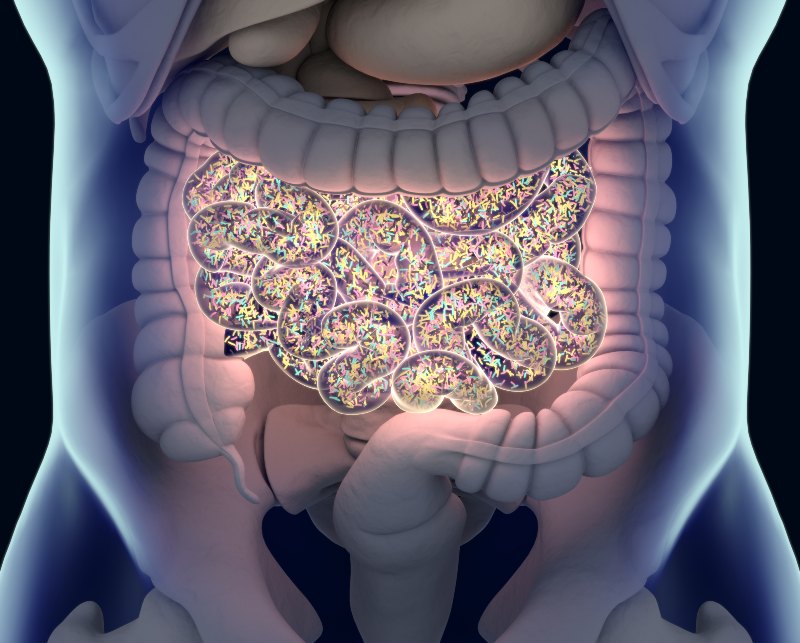
What are Microbiome and Probiotics?
The microbiome refers to trillions of microorganisms residing in your gut, including bacteria, viruses, fungi, and other microbes. This diverse ecosystem plays a pivotal role in your overall health, influencing digestion, immunity, and even mental well-being.
Probiotics, on the other hand, are live beneficial bacteria or yeasts that you can consume through certain foods and supplements. These friendly bacteria are essential in supporting a balanced gut microbiome. Probiotics offer numerous benefits for digestive health and the rest of your body.
The Role of the Microbiome
Your gut microbiome is an incredibly dynamic environment that influences your digestive health significantly. It helps break down food, absorb nutrients, and produce essential vitamins. A healthy microbiome acts as a barrier against harmful bacteria and pathogens, reducing the risk of infections. It also communicates with the immune system, ensuring your body responds appropriately to potential threats.
Disruptions to the microbiome can lead to gut microbiome diseases such as inflammatory bowel disease (IBD), irritable bowel syndrome (IBS), and other digestive issues. Therefore, understanding what gut microbiome is and maintaining its balance is vital for good health. Our GI services can help you with this.
Benefits of Probiotics
Probiotics offer many health benefits by enhancing the composition of your gut microbiome. Some key probiotic health benefits include:
- Improved Digestion – Probiotics aid in breaking down food more efficiently, alleviating symptoms like bloating and constipation.
- Enhanced Immune Function – By promoting the growth of beneficial bacteria, probiotics support your immune system's ability to fight infections.
- Alleviation of GI Disorders – Studies have shown that probiotics can help manage symptoms of IBS and reduce the severity of IBD flare-ups.
- Better Mental Health – The gut-brain axis indicates that a healthy gut microbiome can positively impact mood and cognitive functions.
Sources of Probiotics
Probiotics can be found in various foods and supplements. Fermented foods are particularly rich in these beneficial bacteria. Some excellent sources include:
- Yogurt – A well-known probiotic-rich food that can improve gut health.
- Kefir – A fermented milk drink packed with diverse probiotic strains.
- Sauerkraut and Kimchi – Fermented vegetables that offer a robust mix of probiotics and fiber.
- Miso and Tempeh – Fermented soy products that are not only rich in probiotics but also protein.
- Probiotic Supplements – Available in pill, powder, or liquid form, these supplements provide concentrated doses of beneficial bacteria.
How to Maintain a Healthy Microbiome
Maintaining a balanced gut microbiome is crucial for digestive health. Here are some strategies to support your microbiome:
- Eat a Diverse Diet – Consuming a variety of fruits, vegetables, and whole grains ensures a wide range of nutrients that promote a healthy microbiome.
- Limit Antibiotics – While necessary at times, antibiotics can disrupt the balance of your gut bacteria, so they should be used judiciously.
- Stay Active – Regular physical activity can positively affect gut microbiome diversity.
- Manage Stress – Chronic stress can negatively impact your gut health, so incorporating stress-reducing activities can be beneficial.
- Stay Hydrated – Drinking plenty of water supports the mucosal lining of the intestines, promoting a healthy microbiome.
Why Choose GI Specialists of Georgia?
When it comes to managing gut health, the expertise of specialists can be invaluable. At GI Specialists of Georgia, our team is committed to providing personalized care that focuses on improving your digestive health. We understand the nuances of gut microbiome disease treatment and offer comprehensive services tailored to your needs. Whether you are dealing with a specific GI condition or seeking guidance on maintaining a healthy microbiome, our specialists in Atlanta, GA, are here to help.
Contact Us Today in Atlanta, GA
If you are interested in learning more about how the gut microbiome and probiotics can benefit your digestive health, or if you're seeking effective gut microbiome disease treatment, reach out to GI Specialists of Georgia. Our experienced team is ready to guide you on your journey to better health.
Don't wait to take charge of your digestive health. Contact us today to schedule a consultation and discover how we can support your gut health, digestion & microbiome support needs. Your well-being is our priority, and we are dedicated to helping you achieve optimal digestive health.
Explore our services and take the first step toward a healthier you.
Overview
Gastroesophageal reflux disease (GERD) happens when stomach acid or stomach contents flow back into the esophagus (tube connecting your mouth and stomach). This backwash (acid reflux) can irritate the lining of your esophagus.
Most people can manage the discomfort of GERD with lifestyle changes and over-the-counter medications. But some people with GERD may need stronger medications or surgery to ease symptoms.
Learn More about GERD
Common signs and symptoms of GERD include:
- A burning sensation in your chest (heartburn)
- Chest pain
- Regurgitation of food or sour liquid
- Sensation of a lump in your throat
- Chronic cough
- Laryngitis
- New or worsening asthma
The lower esophageal sphincter is a circular band of muscle around the bottom of your esophagus. This relaxes while swallowing to allow food and liquid to get into your stomach. The sphincter then closes to prevent backflow.
If the sphincter relaxes abnormally, stomach acid can flow back up into your esophagus. This backwash of acid irritates the lining of your esophagus
GERD can be diagnosed by the history of your signs and symptoms. Further testing may be needed to confirm a diagnosis of GERD, or to check for complications. These tests include:
- Upper endoscopy with biopsies.
- Ambulatory acid (pH) probe test.
- X-ray of your upper digestive system with contrast.
- Dietary and lifestyle modifications
- Over the counter medications: Antacids, H-2-receptor blockers, and low dose proton pump inhibitors
- Prescription medications: Higher dose H-2-receptor blockers and proton pump inhibitors
- Surgery: Considered in patients who can’t tolerate medications or have symptoms despite medical treatment
You should seek immediate medical care if you
- Trouble swallowing
- Unexplained weight loss
- Bleeding
- Persistent symptoms despite making dietary and lifestyle changes
Schedule an Appointment with Our Atlanta-Area Gastroenterologists
Whether you’re here for an endoscopic ultrasound or a colonoscopy, we will treat you with the utmost respect and dignity. Our gastroenterologists in the Douglasville and Northwest Atlanta area believe in the importance of educating our patients on a variety of health topics, ranging from anemia to gastrointestinal infections, cirrhosis of the liver, and pancreatitis. To schedule an appointment with one of our board-certified gastroenterologists, please contact GI Specialists of Georgia today.
"*" indicates required fields