
Gastroenterology

Understand Your Gut Microbiome with the Experts in GA

In recent years, the conversation around digestive health has increasingly focused on two key components: the microbiome and probiotics. These terms may sound like buzzwords, but they are crucial to maintaining a healthy digestive system. At GI Specialists of Georgia, we understand the intricate nature of these elements and how they contribute to your overall well-being. We specialize in treating conditions related to the microbiome, offering expert guidance and cutting-edge treatments. Whether you are seeking relief from digestive discomfort or aiming to optimize your gut health and overall well-being, our team is here to help.
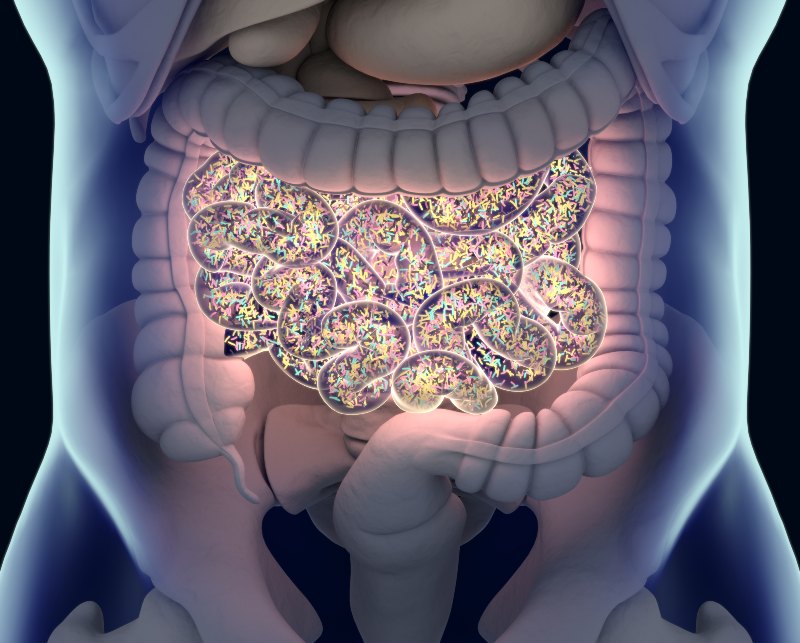
Illustration of a Gut with Microbiome Probiotics in Atlanta, GA

What are Microbiome and Probiotics?

The microbiome refers to trillions of microorganisms residing in your gut, including bacteria, viruses, fungi, and other microbes. This diverse ecosystem plays a pivotal role in your overall health, influencing digestion, immunity, and even mental well-being.

Probiotics, on the other hand, are live beneficial bacteria or yeasts that you can consume through certain foods and supplements. These friendly bacteria are essential in supporting a balanced gut microbiome. Probiotics offer numerous benefits for digestive health and the rest of your body.

The Role of the Microbiome

Your gut microbiome is an incredibly dynamic environment that influences your digestive health significantly. It helps break down food, absorb nutrients, and produce essential vitamins. A healthy microbiome acts as a barrier against harmful bacteria and pathogens, reducing the risk of infections. It also communicates with the immune system, ensuring your body responds appropriately to potential threats.

Disruptions to the microbiome can lead to gut microbiome diseases such as inflammatory bowel disease (IBD), irritable bowel syndrome (IBS), and other digestive issues. Therefore, understanding what gut microbiome is and maintaining its balance is vital for good health. Our GI services can help you with this.

Benefits of Probiotics

Probiotics offer many health benefits by enhancing the composition of your gut microbiome. Some key probiotic health benefits include:

  • Improved Digestion – Probiotics aid in breaking down food more efficiently, alleviating symptoms like bloating and constipation.
  • Enhanced Immune Function – By promoting the growth of beneficial bacteria, probiotics support your immune system's ability to fight infections.
  • Alleviation of GI Disorders – Studies have shown that probiotics can help manage symptoms of IBS and reduce the severity of IBD flare-ups.
  • Better Mental Health – The gut-brain axis indicates that a healthy gut microbiome can positively impact mood and cognitive functions.

Sources of Probiotics

Probiotics can be found in various foods and supplements. Fermented foods are particularly rich in these beneficial bacteria. Some excellent sources include:

  • Yogurt – A well-known probiotic-rich food that can improve gut health.
  • Kefir – A fermented milk drink packed with diverse probiotic strains.
  • Sauerkraut and Kimchi – Fermented vegetables that offer a robust mix of probiotics and fiber.
  • Miso and Tempeh – Fermented soy products that are not only rich in probiotics but also protein.
  • Probiotic Supplements – Available in pill, powder, or liquid form, these supplements provide concentrated doses of beneficial bacteria.

How to Maintain a Healthy Microbiome

Maintaining a balanced gut microbiome is crucial for digestive health. Here are some strategies to support your microbiome:
  • Eat a Diverse Diet – Consuming a variety of fruits, vegetables, and whole grains ensures a wide range of nutrients that promote a healthy microbiome.
  • Limit Antibiotics – While necessary at times, antibiotics can disrupt the balance of your gut bacteria, so they should be used judiciously.
  • Stay Active – Regular physical activity can positively affect gut microbiome diversity.
  • Manage Stress – Chronic stress can negatively impact your gut health, so incorporating stress-reducing activities can be beneficial.
  • Stay Hydrated – Drinking plenty of water supports the mucosal lining of the intestines, promoting a healthy microbiome.

Why Choose GI Specialists of Georgia?

When it comes to managing gut health, the expertise of specialists can be invaluable. At GI Specialists of Georgia, our team is committed to providing personalized care that focuses on improving your digestive health. We understand the nuances of gut microbiome disease treatment and offer comprehensive services tailored to your needs. Whether you are dealing with a specific GI condition or seeking guidance on maintaining a healthy microbiome, our specialists in Atlanta, GA, are here to help.

Contact Us Today in Atlanta, GA

If you are interested in learning more about how the gut microbiome and probiotics can benefit your digestive health, or if you're seeking effective gut microbiome disease treatment, reach out to GI Specialists of Georgia. Our experienced team is ready to guide you on your journey to better health.

Don't wait to take charge of your digestive health. Contact us today to schedule a consultation and discover how we can support your gut health, digestion & microbiome support needs. Your well-being is our priority, and we are dedicated to helping you achieve optimal digestive health.

Explore our services and take the first step toward a healthier you.

Understanding What Gastroenterology Is in Atlanta, GA

Digestive health plays a massive role in your overall well-being. When your stomach hurts, your digestion is off, or you experience chronic heartburn, it can derail your entire day. Finding the right medical care is the first step toward finding relief. For residents in Atlanta, GA, our team at GI Specialists of Georgia provides comprehensive care for a wide range of digestive conditions, answering your question: What is gastroenterology? If you have been referred to a digestive specialist, you might have some questions about what to expect. The medical terms can be confusing, and understanding exactly what these doctors treat is important for your peace of mind. This guide covers everything you need to know about this medical specialty. We will explore what these physicians do, the tests they perform, and what you can expect during your initial consultation.

Gastroenterologist explaining procedure to patient

What Is Gastroenterology?

Gastroenterology is the branch of medicine focused on the digestive system and its disorders. This includes the esophagus, stomach, intestines, liver, gallbladder, and pancreas. The specialty focuses on the normal function and diseases of these vital organs, ensuring your body can properly digest food, absorb nutrients, and eliminate waste.

Gastroenterology Vs Gastrointestinal

Patients often wonder about the distinction of gastroenterology vs gastrointestinal. "Gastroenterology" is the study and medical specialty itself. "Gastrointestinal" (GI) is simply an adjective used to describe the organs that make up the digestive tract. For example, a doctor practices gastroenterology to treat a gastrointestinal disease.

What Does a Gastroenterologist Do?

So, what does a gastroenterologist do? These specialists diagnose and treat conditions that affect the GI tract. They handle everything from common issues like acid reflux and irritable bowel syndrome (IBS) to more severe conditions such as Crohn's disease, ulcerative colitis, and colon cancer. They are highly trained to perform specialized diagnostic procedures. By looking directly into the digestive tract, they can find the root cause of your symptoms and create a targeted treatment plan.

Hepatology Vs Gastroenterology

When researching liver issues, you might encounter the terms hepatology vs gastroenterology. Hepatology is a sub-specialty of gastroenterology that focuses specifically on diseases of the liver, gallbladder, biliary tree, and pancreas. While all hepatologists are gastroenterologists, not all gastroenterologists specialize exclusively in hepatology. If you have a complex liver condition, your GI doctor might refer you to a hepatologist for highly targeted care.

What Does a Gastroenterologist Do on a First Visit?

Feeling anxious before a doctor's appointment is completely normal. Knowing what a gastroenterologist does on a first visit can help ease those nerves. Your initial appointment is primarily a consultation. The doctor will review your complete medical history, ask about your current symptoms, and discuss any previous treatments or medications. They will likely perform a basic physical exam, which may include gently pressing on your abdomen to check for tenderness or swelling. Based on this conversation, the specialist will recommend the next steps. This might involve dietary changes, new medications, or scheduling diagnostic tests such as colonoscopy, endoscopy, or blood tests to get a clearer picture of your digestive health.

Can A Gastroenterologist Test For Food Intolerance?

Food sensitivities can cause immense discomfort, leading many patients to ask: Can a gastroenterologist test for food intolerance? Yes, they can. While allergists typically handle true food allergies (which involve the immune system), GI doctors diagnose food intolerances (which involve the digestive system). They frequently use breath tests to detect conditions such as lactose intolerance or fructose malabsorption. They might also guide you through an elimination diet or perform an endoscopy to check for Celiac disease, an autoimmune reaction to gluten.

Do Gastroenterologists Do Surgery?

A common point of confusion is surgical care. Do gastroenterologists do surgery? The short answer is no.

Gastroenterologists are not surgeons. However, they do perform minimally invasive procedures, such as endoscopies and colonoscopies. During these procedures, they can remove polyps, stretch narrowed areas of the esophagus, or stop internal bleeding. If your condition requires traditional surgery, your gastroenterologist will refer you to a specialized general or colorectal surgeon.

Taking Control of Your Digestive Health in Atlanta

Ignoring chronic digestive issues rarely makes them go away. Whether you are dealing with daily heartburn, unexplained abdominal pain, or changes in your bowel habits, seeking professional care is the smartest move you can make. For patients in Atlanta, GA, the experts at GI Specialists of Georgia are ready to help you find answers and get your health back on track. Book a consultation today to start your journey toward a happier, healthier digestive system.

Schedule an Appointment with Our Atlanta-Area Gastroenterologists

Whether you’re here for an endoscopic ultrasound or a colonoscopy, we will treat you with the utmost respect and dignity. Our gastroenterologists in the Douglasville and Northwest Atlanta area believe in the importance of educating our patients on a variety of health topics, ranging from anemia to gastrointestinal infections, cirrhosis of the liver, and pancreatitis. To schedule an appointment with one of our board-certified gastroenterologists, please contact GI Specialists of Georgia today.

"*" indicates required fields

This field is for validation purposes and should be left unchanged.
I understand that Protected Health Information (PHI) or sensitive information should not be included in this message.

GI Specialists of Georgia's Office Entrance in Atlanta, GA