
Our Atlanta, GA Doctors Treat Microscopic Colitis
GI Specialists of Georgia provides compassionate medical care to our clients and treats various digestive tract disorders like microscopic colitis. Our doctors help Atlanta, GA patients restore balance and deal with the symptoms of the disorder. We work collaboratively to treat your condition and improve your quality of life. We understand you are an individual, and our treatment plans reflect your situation. Our medical team uses cutting-edge technology to provide effective solutions that will positively impact your life. There's no reason to let digestive tract disorders keep you from working or enjoying your life.
What is Microscopic Colitis?
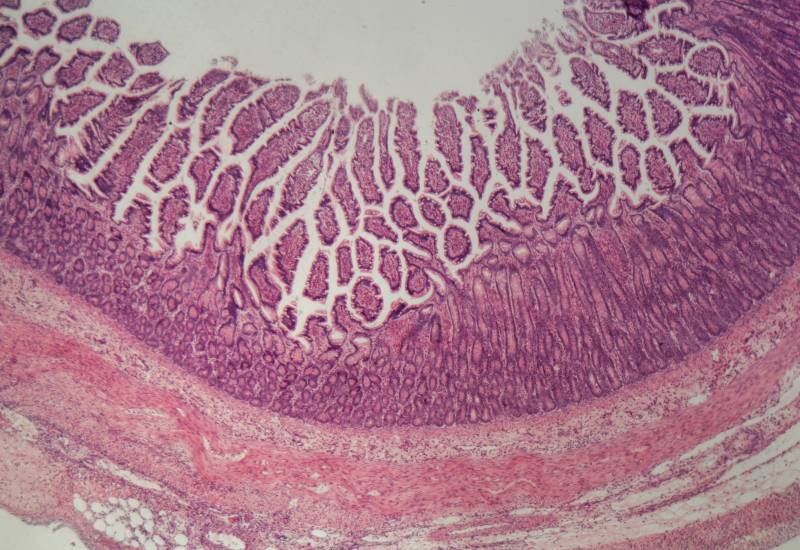
Microscopic colitis is an inflammatory bowel disease like Crohn's disease and ulcerative colitis that usually impacts older patients. It isn't a life-threatening condition and is not as severe as other inflammatory bowel issues, making it easier to control. While the symptoms come and go, they will always be part of your life. At GI Specialists of Georgia, our treatment plans help you manage them and reduce their impact. There are two types of microscopic colitis:
- Collagenous Colitis: Collagen and elastin are the connective tissues in your intestinal lining. Patients with collagenous colitis have thickened tissue, which inflames the intestine.
- Lymphocytic Colitis: This version of microscopic colitis features an abnormally high density of white blood cells on the surface layer of the innermost lining of the gut.
What Are the Symptoms of Microscopic Colitis?
The telltale symptom of microscopic colitis is watery diarrhea. Individuals with the disorder experience diarrhea frequently – sometimes as much as five to 10 times a day. The most severe secondary symptoms include dehydration, nausea and vomiting, and weight loss. Many patients do not experience the most serious symptoms. Some people report joint pain, headaches, mouth sores, or acid reflux, but the most common secondary symptoms include:
- Cramping
- Abdominal Distension and Bloating
- Fecal Incontinence
- A Noisy Digestive System
- Gluten Sensitivity
- Fatigue
What Causes Microscopic Colitis?
Our medical professionals know how to diagnose and treat inflammatory bowel diseases. Unfortunately, scientists aren’t sure what causes microscopic colitis. Researchers believe several factors might cause the disorder, including bacteria and viruses, autoimmune responses, and genetics. But we don’t know for sure. Some studies point to possible medication risk factors, such as statins and beta blockers, but there is no conclusive evidence supporting medication causes. The good news is we know how to manage your condition and lessen your symptoms.
How Do You Diagnose Microscopic Colitis?
We always start by getting your medical history and a list of your current medications. Our medical team never wants to perform unnecessary invasive procedures, so we might order blood, stool, and medical imaging tests to rule out other conditions. If we don’t get an answer, we'll schedule a colonoscopy. During a colonoscopy, we sedate you and insert a long, flexible instrument called a colonoscope through your rectum. Our doctor passes tools through the colonoscope and gets tissue samples. We then view the samples under a microscope.
How Do Doctors Treat Microscopic Colitis?
Fortunately for you, there are numerous avenues available to treat microscopic colitis. While we cannot cure you, we can alleviate the symptoms and reduce the inflammation. Our medical staff will develop a personalized treatment plan designed to help you lead a normal life again. Sometimes, we can adjust current medications or put you on an elimination diet to find food intolerances. Usually, we focus on three areas:
- Diet: We recommend you eliminate or limit caffeine, sugar, dairy, and gluten from your daily food intake. A low-fat and low-fiber diet can temporarily relieve symptoms.
- Medications: Imodium and Pepto-Bismol will control diarrhea. Sometimes, we prescribe steroids, medications that block bile acids, and drugs that suppress the immune system.
- Lifestyle Changes: Smoking is unhealthy in dozens of ways. It can make the symptoms of microscopic colitis unmanageable. Drinking more water is also crucial.
Why Choose GI Specialists of Georgia
We can treat complex cases at GI Specialists of Georgia because of our experience, state-of-the-art facilities, and commitment to personalized plans. We have eight locations throughout the Atlanta, GA area and three clinics that can perform endoscopies. Our on-staff physicians have skill sets beyond gastroenterology. Most importantly, we understand how painful and disruptive digestive tract disorders are. Contact us today to take the first step toward a more comfortable life.
Schedule an Appointment with Our Atlanta-Area Gastroenterologists
Whether you’re here for an endoscopic ultrasound or a colonoscopy, we will treat you with the utmost respect and dignity. Our gastroenterologists in the Douglasville and Northwest Atlanta area believe in the importance of educating our patients on a variety of health topics, ranging from anemia to gastrointestinal infections, cirrhosis of the liver, and pancreatitis. To schedule an appointment with one of our board-certified gastroenterologists, please contact GI Specialists of Georgia today.
"*" indicates required fields