Published in Cancer - July 7, 2026
Learning about your family’s medical history is an important part of staying healthy. When a close relative receives a cancer diagnosis, it’s natural to wonder about your own health. Understanding how genetics affects your risk can help you take the right steps toward prevention and early detection of colorectal cancer. The team at GI Specialists of Georgia provides expert care for patients throughout the Atlanta area. We focus on clear communication and compassionate care, offering support during routine screenings, advanced treatment, and everything in between.
What Is Colorectal Cancer?
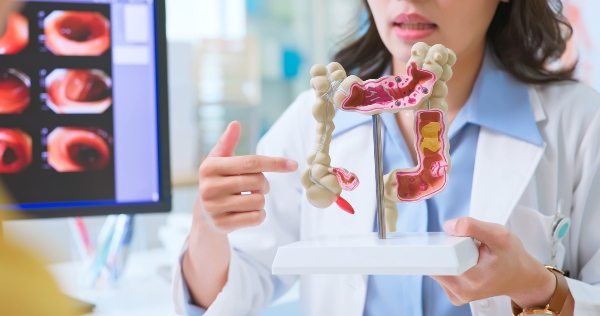
Colorectal cancer is a disease that starts in the colon or rectum, organs that make up the large intestine. Most of the time, this cancer begins as small growths called polyps. At first, these polyps are harmless. But unfortunately, some of them can turn into cancer. Finding and removing these polyps early is the best way to prevent the disease. That’s why regular screenings, like colonoscopies, are so important for adults over the age of 45.
Symptoms of Colon Cancer
In its early stages, the disease often causes no symptoms. But as the tumor grows, you may notice changes in your body. Common signs of colorectal cancer include:
- A change in your bowel habits, such as diarrhea or constipation that lasts for several days
- A feeling that your bowel doesn’t empty completely
- Blood in your stool, which might make it look dark brown or black
- Bleeding from the rectum
- Cramping or pain in your stomach area
- Feeling weak or tired all the time
- Losing weight without trying
Other conditions can cause the above symptoms, so it’s always best to seek a professional medical opinion.
Colon Cancer Risk Factors
Certain factors can increase your chances of developing colon cancer. Some of these risks are tied to your lifestyle, while others are outside of your control. Among the key risk factors are:
- Age – Your risk goes up as you get older. Most cases are found in people over 50.
- Diet – Eating a lot of red meat or processed meat can raise your risk.
- Weight – Being overweight or obese is linked to a higher chance of developing the disease.
- Smoking and Alcohol – Heavy alcohol use and smoking tobacco are known risk factors.
- Health History – A personal history of inflammatory bowel disease, such as Crohn’s disease or ulcerative colitis, increases your risk.
Is Colon Cancer Hereditary?
Many of our patients have asked us, “Is colorectal cancer genetic?” The answer is yes, in some cases. Colorectal cancer genetics is a complex subject. Most people who get the disease don’t have a family history of it. However, up to one in three people who develop it have family members who have had it.
If your parent, sibling, or child had the disease, your risk is roughly doubled. The risk is even higher if multiple family members were diagnosed, or if a relative was diagnosed at a young age. Certain inherited gene mutations, such as those associated with Lynch syndrome or familial adenomatous polyposis (FAP), greatly increase the risk of developing the disease.
Chances of Getting Colon Cancer With No Family History
Even if no one in your family has ever had the disease, you can still get it. Therefore, doctors recommend routine screenings for everyone, regardless of their family tree. Age and lifestyle factors play a major role, so staying active and eating a healthy diet are great ways to protect yourself.
Genetic Test for Colon Cancer Risk
If you have a strong family history of colon cancer, your doctor might suggest genetic testing. A genetic test looks for specific changes in your genes that are linked to cancer. A simple blood or saliva test can tell if you carry a gene mutation like Lynch syndrome. Knowing this information helps your doctor create a personalized screening plan. If you have a high genetic risk, you might need to start getting colonoscopies earlier than age 45. You might also need them more often.
Rely on Us to Diagnose and Treat Your Colorectal Cancer
Whether you need a routine screening or are exploring colorectal cancer treatments, GI Specialists of Georgia is here to guide you. Our highly trained colorectal specialists in Atlanta use the latest medical technology to find and treat problems early. Contact us today to schedule a consultation.